In a small garden, the lawn has nowhere to hide. A pile that is too long can look bulky, an overly bright green can feel artificial, and poor edging is far more noticeable than it would be in a larger plot. Choosing artificial grass for small gardens is therefore less about buying the most expensive product and more about matching the turf to the space, light levels and how the garden is actually used. For Bournemouth homeowners, a strong option is usually a realistic lawn with effective drainage, a sensible pile height and a colour blend that suits nearby paving, decking and planting.
Start With the Garden, Not the Grass Sample
Artificial turf samples are useful, but they only tell part of the story. A product that feels luxurious may be impractical once it covers most of a compact garden. Begin with use. Is the lawn mainly decorative, or will children cross it every day? Does a dog have access to it? Is the garden shaded? Does the lawn meet porcelain paving, timber decking or planted borders? These details affect the right pile height, density, backing and drainage requirements. Small spaces show contrast clearly, so the artificial lawn should work with the rest of the garden rather than dominate it.
Which Artificial Grass Works Best in a Small Garden?
There is no single product that suits every property, but three broad options cover most needs.
Short to Medium Pile for Busy Gardens
A shorter or medium pile is practical where the lawn receives regular foot traffic. The fibres are easier to keep upright, furniture leaves less obvious flattening, and the surface can stay neat without looking too formal. This artificial turf works well around patios, paths and play areas. For a more natural finish, look for varied blade shapes and more than one shade of green.
Medium Pile for a Natural-Looking Lawn
For many Bournemouth gardens, a medium pile gives the best balance between appearance and practicality. It has enough depth to soften the surface without making a small garden feel heavy. Products that combine several green tones with a subtle brown or beige thatch layer usually look more convincing than turf made from one colour. A sparse lawn may expose the backing, while an excessively dense product can look unnaturally plush.
Denser Turf for Children and Frequent Use
Where a garden doubles as a play area, durability matters more. A denser artificial turf with resilient fibres may cope better with repeated use and recover more effectively after being walked or played on. That does not mean choosing the deepest product available. Very long fibres can flatten more easily and may need more brushing. What matters is how the surface performs after months of normal use.
Why Pile Height Matters
Pile height describes the length of the artificial grass fibres. Longer fibres can create a softer, fuller effect, but they are more likely to flatten. Shorter fibres usually stay neater and can be easier to maintain. In a small garden, people often walk over the same routes repeatedly. If the lawn sits between the house and a gate, shed or seating area, a resilient medium pile is usually more practical than a very deep one.
Choose Colour With the Whole Garden in Mind
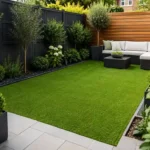
Artificial grass does not need to be bright green to look healthy. Highly saturated turf can look less realistic, especially beside natural planting. Several shades of green combined with subtle brown fibres lower in the pile can imitate the variation found in a living lawn. Cooler greens may sit well beside grey porcelain or composite decking, while softer greens can complement timber, brick and warmer paving.
Shade, Drainage and Pets Need Extra Thought
A synthetic lawn does not need sunlight to stay green, but the ground beneath it still needs suitable drainage. Shaded areas can stay damp for longer after rain, while leaves and organic debris may collect around boundaries. If the garden already suffers from standing water, artificial turf should not simply be laid over the problem. The cause needs to be considered during preparation. Pets add another practical factor. In a small garden, the same areas may be used repeatedly, so drainage, secure edging and cleaning matter more. Check the manufacturer information for the selected product rather than relying on a generic pet-friendly label.
Why the Base Beneath Artificial Grass Matters
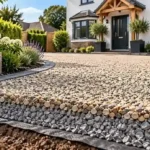
Even high-quality artificial grass can perform poorly when the ground underneath has not been prepared correctly. A stable, well-drained base helps the finished lawn stay level, secure and usable over time.
- Remove unsuitable ground: Existing turf, roots and loose material may need to be cleared before installation.
- Create a stable base: The area should be properly levelled and compacted to reduce movement, dips and uneven sections.
- Plan for drainage: Water needs a suitable route away from the surface, particularly where the garden already experiences poor drainage.
- Secure the edges: Proper edging helps prevent artificial turf from lifting or moving where it meets paving, paths or borders.
NexGen Landscapes considers ground levels, drainage, boundaries and how the garden will be used before installing artificial grass in Bournemouth.
Make the Edges Work Harder
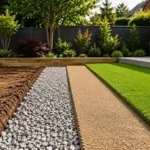
The edge of a small artificial lawn often has more visual impact than the centre. A clean transition into paving, gravel, planting or decking helps the garden feel designed rather than simply covered. Curves can soften a compact space, while straight edges tend to suit contemporary layouts.
Avoid creating too many tiny lawn sections. Artificial grass usually works best when it forms one clear, usable area. In very small gardens, a modest lawn combined with a well-proportioned patio and planting can look more balanced than covering every available square metre with turf.
How to Compare Similar Artificial Grass Products
When two samples look almost identical, compare:
- Intended use: decorative, family, pets or frequent foot traffic.
- Pile recovery: how well the fibres stand back up after pressure.
- Density: enough coverage to hide the backing without looking excessively thick.
- Drainage: whether the product and proposed base suit the site.
- Colour variation: a natural blend rather than one flat green.
- Backing and manufacturer guidance: check the technical specification and care instructions.
Is Artificial Grass Right for Every Small Garden?
No. Natural turf may still be the better option if you value a living lawn, wildlife benefit and seasonal change. Artificial grass is more suitable where the priority is a consistent surface, reduced mowing and lower routine lawn care. The best garden design starts with how you want to use the space, not with the assumption that every garden needs the same features.
Choosing Artificial Grass for a Small Bournemouth Garden
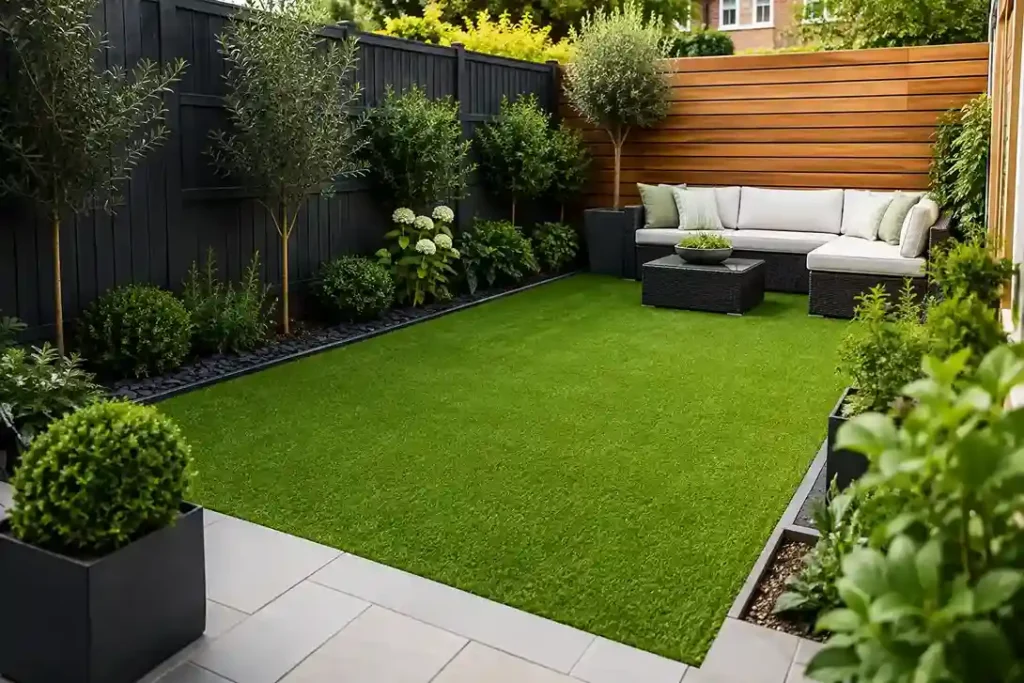
The best artificial grass for small gardens is usually the product that feels proportionate to the space and appropriate for everyday use. Look for realistic colour variation, sensible pile height, suitable density and a drainage system that works with the existing ground. Paving, fencing, planting and furniture also influence how balanced the finished garden feels, so choose the lawn as part of the wider design.
NexGen Landscapes provides turfing and artificial grass installation in Bournemouth as part of wider garden landscaping. Where artificial turf is the right choice, careful preparation and a product selected for the actual site will usually deliver a better result than choosing by appearance alone.
Frequently Asked Questions
What Pile Height Is Best for a Small Garden?
A medium pile is often a practical all-round choice because it can provide a natural appearance without becoming difficult to keep upright. The best specification still depends on foot traffic, pets and how the lawn will be used.
Can Artificial Grass Be Installed in a Shaded Garden?
Yes. Artificial grass does not need sunlight to stay green, but shaded gardens still require suitable drainage and regular removal of leaves and debris.
Is Artificial Grass Maintenance-Free?
No. It does not need mowing, but leaves should be removed, flattened fibres may need brushing, spills should be cleaned and pet areas require regular attention.