Garden design in Britain is becoming less about following a particular look and more about creating outdoor spaces that can cope with changing weather, support wildlife and remain practical for everyday life. Among the strongest garden design trends UK homeowners are seeing in 2026 are resilient planting, thoughtful water management, naturalistic borders, multifunctional plants, quieter design and more considered use of materials.
The Royal Horticultural Society has identified climate change and planting diversity as major influences on gardening in 2026. Its current predictions also point towards gardens being used more deliberately to support wildlife, manage water and adapt to changing conditions. That does not mean every homeowner needs to rebuild their garden around the latest fashion. The most successful designs take useful ideas and adapt them to the property’s size, orientation, soil, drainage and the way the household actually uses the space.
What Are the Biggest UK Garden Design Trends in 2026?
In simple terms, the direction of British garden design is moving towards resilience, biodiversity and purposeful outdoor living. Homeowners and garden designers are increasingly considering:
- climate-resilient planting
- better use of rainwater
- wildlife-friendly planting
- naturalistic borders
- multifunctional plants
- restrained material palettes
- adaptable seating and shelter
- reuse of suitable existing materials
These themes can work in large gardens, compact urban plots and more traditional suburban spaces. The important part is deciding which ideas genuinely improve the individual garden.
1. Climate-Resilient Planting Is Becoming More Important
Plant choice is increasingly beginning with conditions rather than colour alone. The RHS says climate change is expected to be a major driver of gardening activity during 2026, with greater planting diversity helping gardens respond to changing demands and weather extremes. For homeowners, this means looking carefully at sunlight, soil, wind exposure and moisture before deciding what to plant. In a hot, sunny border, plants capable of handling relatively dry conditions may make sense. A shaded or consistently damp garden needs an entirely different approach. Trees require particular consideration because they may remain in the garden for decades and experience significantly different conditions as they mature. The RHS is already highlighting species selected with future climate resilience in mind. Good design therefore follows a simple principle: choose plants for the garden you actually have.
2. Water Is Becoming Part of the Design
Water management no longer needs to be hidden beneath the garden. It can become part of the landscape itself. Rain gardens are one example. The RHS describes them as shallow planted areas that receive runoff from roofs or other hard surfaces before allowing water to drain through the soil. Suitable designs can combine water management with attractive planting and wildlife value. Other gardens may use simpler solutions such as gravel areas, planting beds, rainwater storage or carefully considered falls around patios. At RHS Chelsea 2026, water features and rills were visible across several gardens, while some structures combined shelter with water collection and other practical functions. For a domestic garden, however, drainage should always respond to the actual site. A fashionable water feature cannot compensate for poorly planned levels or unsuitable ground conditions.
3. Wildlife-Friendly Planting Is Becoming More Designed
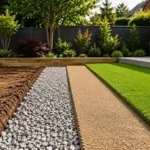
One of the most useful shifts in modern garden design is the integration of biodiversity into attractive, organised spaces. The RHS’s 2026 Bringing Nature Home campaign places particular emphasis on the role of domestic gardens in supporting biodiversity and building greater resilience to environmental change. A contemporary garden might therefore combine a clean porcelain patio or defined pathway with:
- pollinator-friendly flowers
- shrubs offering shelter
- flowering plants across several seasons
- ornamental grasses
- small trees
- climbers along boundaries
The result can still feel deliberate and well maintained.
For homeowners who prefer structured gardens, planting in repeated groups or defined borders can provide wildlife benefits without losing the clean layout they want.
4. Naturalistic Planting Is Softening Hard Landscaping
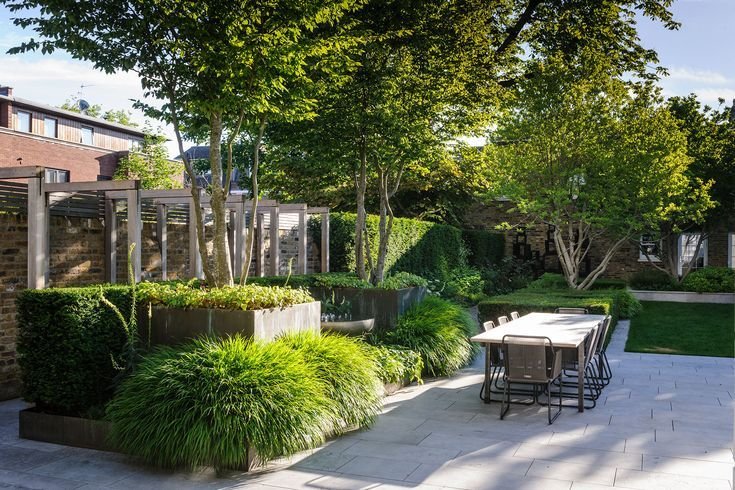
Large areas of paving with a few isolated plants can make a garden feel visually hard. Current planting design is increasingly using layers, texture and movement to soften patios, paths, walls and decking. Rather than relying heavily on neat rows of identical plants, naturalistic garden design can combine grasses, perennials, shrubs and different heights. The goal is not to create a completely wild landscape.
The planting still requires structure. Repeating selected plants, controlling the colour palette and considering mature heights can maintain order while allowing the garden to feel less rigid. This approach is particularly useful around modern hard landscaping, where softer planting can help connect built features with the rest of the garden.
5. Garden Structures Are Working Harder
Pergolas and covered seating areas remain important features, but modern garden structures are increasingly expected to do more than provide decoration. Structures were prominent across the RHS Chelsea Flower Show in 2026, with examples providing enclosure, privacy, shelter and, in some cases, water collection or energy generation. Domestic gardens do not need anything so elaborate.
A well-positioned pergola might simply:
- define an outdoor dining space
- provide partial screening
- support climbing plants
- create height in a flat garden
- make a seating area feel more enclosed
This reflects a broader change in garden design. Features are increasingly being chosen because they serve several purposes rather than occupying space purely for visual impact.
6. Reuse and Material Restraint Are Influencing Modern Gardens
A new garden does not necessarily require everything old to be removed. Where existing paving, bricks, timber or stone remain usable, incorporating them into a redesigned garden can retain character and avoid unnecessary replacement. RHS Chelsea 2026 also demonstrated experimentation with repurposed and alternative materials, including filing cabinets transformed into planters and shellfish-industry by-products used within construction materials. For an ordinary residential project, the principle is more important than copying the material itself.
Existing bricks might become edging. Sound natural stone could be repositioned. An existing patio might be extended rather than completely replaced. Using fewer material types can also help a garden look calmer and more coherent. It is worth avoiding blanket claims that a particular paving or decking product is automatically sustainable. Manufacturing, transport, lifespan, installation and potential reuse all affect its wider environmental impact.
8. Plants Are Being Chosen for More Than Appearance
Another noticeable UK garden trend in 2026 is multifunctional planting. The RHS predicts growing interest in plants that provide several benefits, including food, wildlife value and ornamental interest. Its examples include borage, mint, cowslips, hops and wood sorrel. This approach works particularly well when garden space is limited. A fruit tree can provide structure, blossom and produce. Herbs can sit among ornamental plants rather than being restricted to a separate vegetable patch. Climbers can offer flowers while helping soften or screen a boundary. Choosing plants that earn their place can make a smaller garden more useful without making it feel overcrowded.
Which Garden Design Trends Should You Actually Follow?
The best trend is one that solves a real problem in your garden. Before introducing a new feature, ask:
Does it suit the conditions?
A drought-tolerant planting scheme still needs appropriate soil and sunlight.
Will it improve how the garden is used?
A pergola should provide useful shelter, privacy or structure rather than simply filling space.
Can you maintain it?
Planting needs to suit the amount of gardening you realistically want to do.
Will it still work in several years?
Think about mature plant sizes, material durability and changing household needs.
A professional garden should feel considered after fashions move on.
What Do These Trends Mean for Bournemouth Gardens?
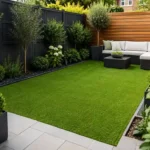
The latest national ideas can be useful for Bournemouth homeowners, but they still need to be interpreted locally. A garden design should consider its orientation, drainage, soil, existing boundaries, access and how exposed the property is. Compact gardens may benefit from multifunctional planting and carefully positioned seating, while larger transformations may need a clearer relationship between patios, lawns, planting and different levels.
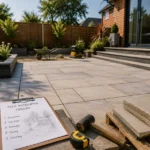
NexGen Landscapes provides garden design and planning in Bournemouth, with projects incorporating features such as patios, planting, lawns, fencing and decking according to the needs of the individual garden. The objective should not be to squeeze every 2026 trend into one space. It should be to identify the ideas that make that particular garden more practical and enjoyable.
Frequently Asked Questions (FAQs)
What Are the Latest Garden Design Trends in the UK?
Climate-resilient planting, biodiversity, water-conscious landscaping, naturalistic planting, reclaimed materials and multifunctional outdoor spaces are among the strongest UK garden themes in 2026.
Are Low-Maintenance Gardens Still Popular?
Yes. The emphasis is increasingly on practical layouts and plants suited to their conditions rather than simply removing lawns and planting.
What Is Climate-Resilient Garden Design?
Climate-resilient garden design considers factors such as water availability, soil, exposure and changing weather when choosing plants and planning the landscape.
Are Wildlife-Friendly Gardens a Current Trend?
Yes. Biodiversity is a significant focus in current RHS guidance, with domestic gardens recognised as spaces that can support plants, wildlife and wider ecological resilience.
Are Japanese-Style Gardens Popular in the UK?
Japanese design has had a noticeable influence in 2026, particularly at RHS Chelsea, where several major gardens drew on Japanese design principles.
How Can I Modernise a Garden Without Rebuilding Everything?
You can update planting, simplify the material palette, improve seating, introduce better-defined garden zones or reuse existing materials without completely redesigning the space.